Schedules vary by guideline and patient factors. This page summarizes common approaches.
Rabies vaccine schedules (PEP and PrEP)
Post-exposure prophylaxis (PEP)
If NOT previously vaccinated (immunocompetent):
Rabies vaccine IM: Day 0, 3, 7, 14
(If immune disorders: some protocols add Day 28.)
Category III exposure: immunoglobulin (HRIG/RIG) is typically recommended, infiltrated around the wound when possible, with the remainder IM at a site distant from vaccine.
If previously vaccinated (PrEP or prior PEP):
Common approach: 2 booster doses (e.g., Day 0 and Day 3)
Immunoglobulin usually NOT indicated.
Pre-exposure prophylaxis (PrEP)
PrEP is considered for higher-risk travel, long stays, remote areas, animal work, or repeated exposures.
Current CDC PrEP schedule (many settings):
2 doses: Day 0 and Day 7
Some countries still use 3-dose schedules (0, 7, 21–28) depending on local policy.
Does PEP “last forever”?
Completing a full course generates robust immune memory. If you are exposed again later, management is typically simplified (booster doses rather than a full course), but recommendations vary by guideline, time since vaccination, and risk category.
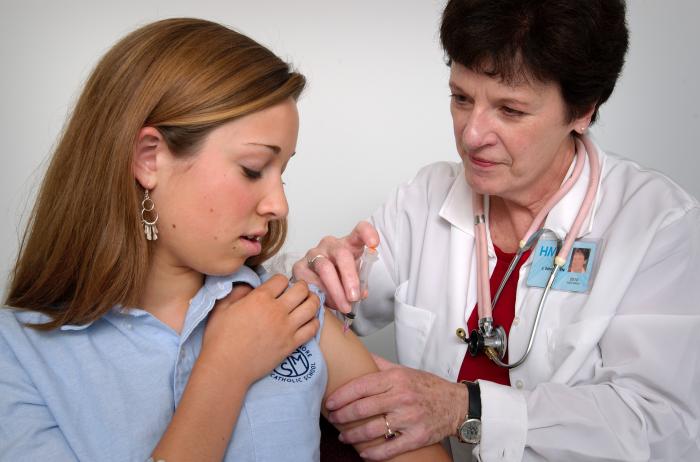
Do not inject rabies vaccine into the gluteal area. Use deltoid (or anterolateral thigh in small children), per clinical guidance.
See also: costs and side effects.