WHO commonly uses exposure Categories I–III.
Exposure levels (WHO categories) and what they mean
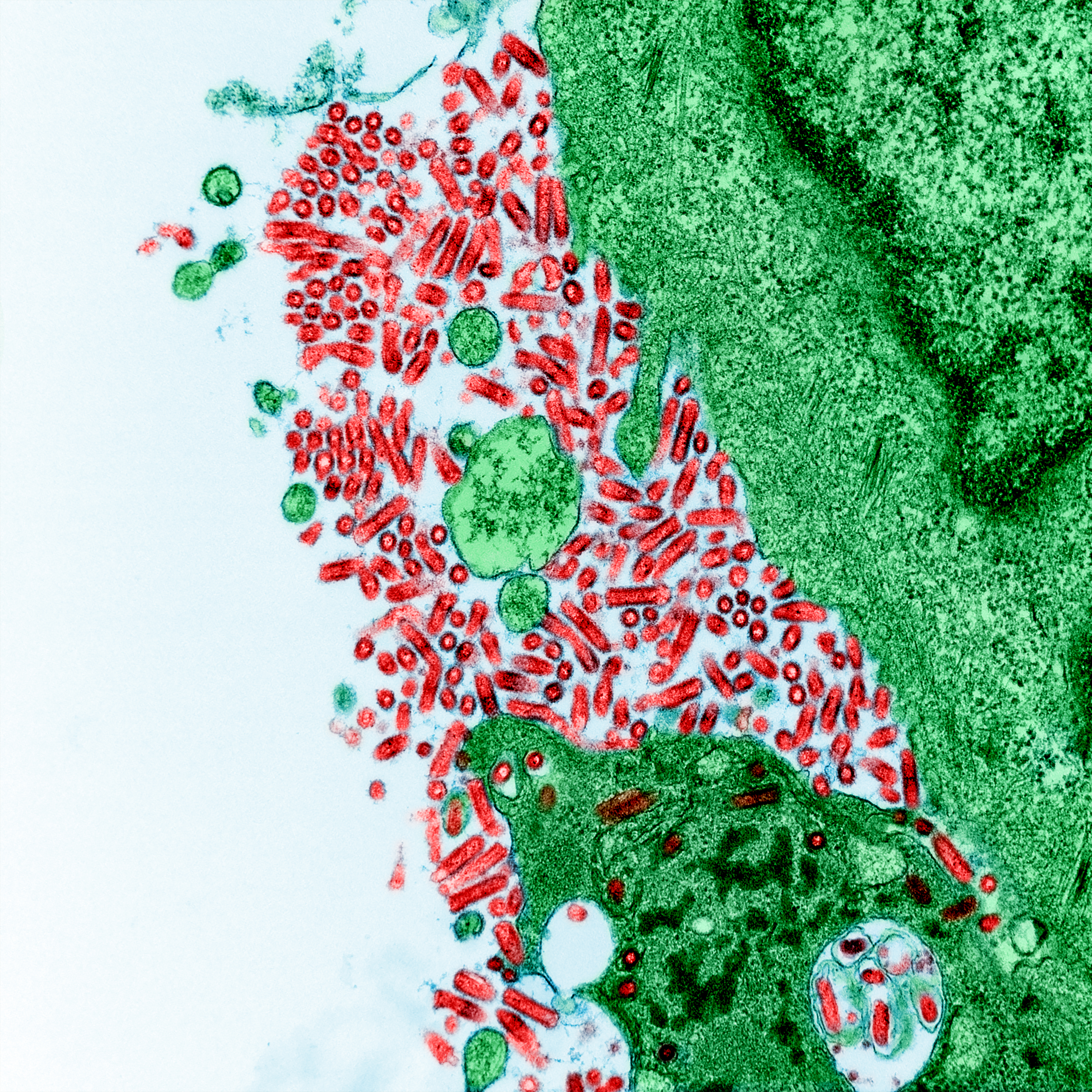
Rabies risk depends on whether the virus could have entered tissue. The WHO system below is widely used to decide on vaccine and immunoglobulin.
| Category | Examples | Recommended action |
|---|---|---|
| I | Touching or feeding animals; licks on intact skin. | Usually no PEP if the history is reliable and skin is intact. Clean area and monitor. |
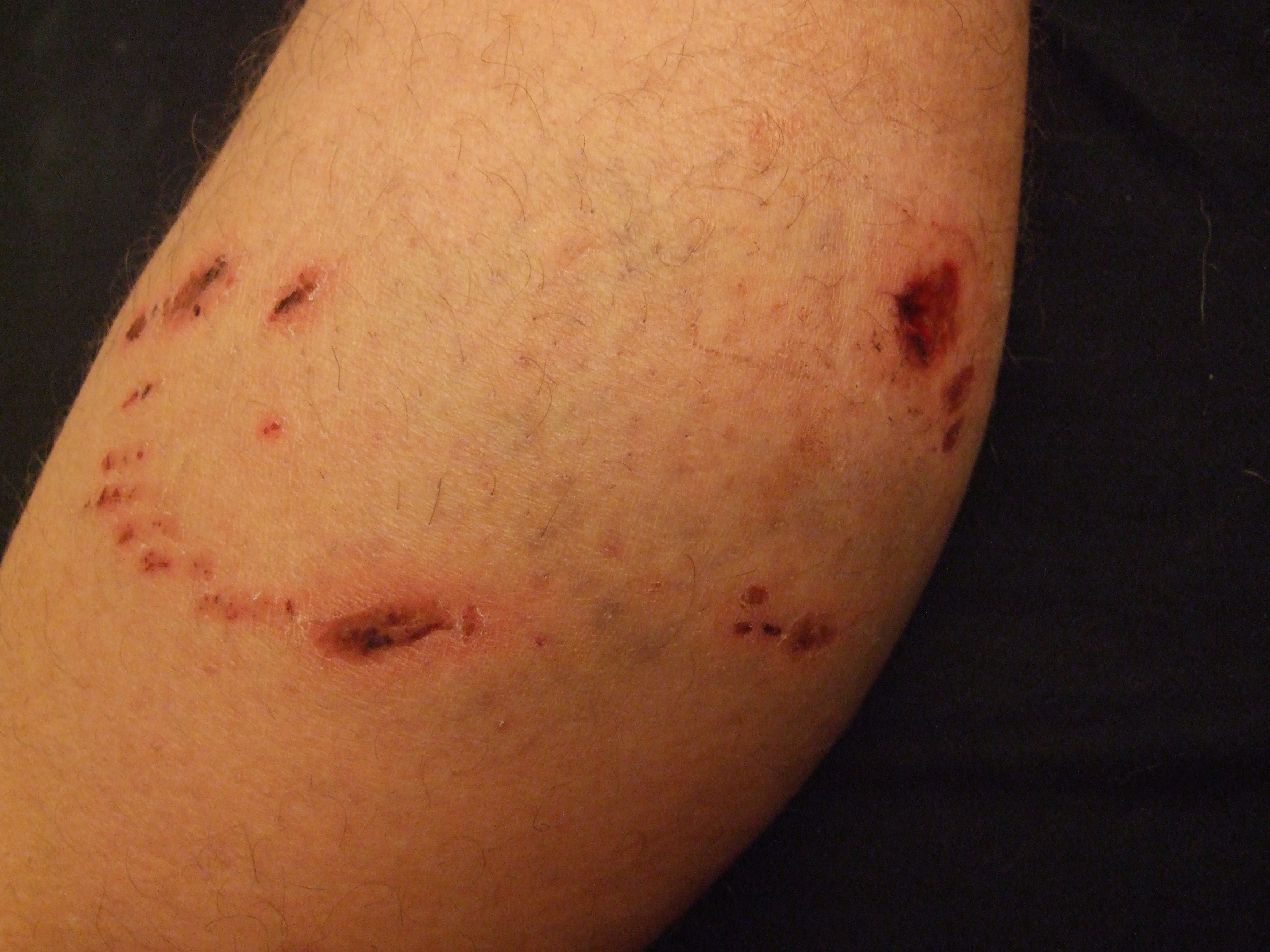
| II | Nibbling of uncovered skin; minor scratches/abrasions without bleeding. | Wound care + rabies vaccine as soon as possible. |
| III | Single or multiple transdermal bites or scratches; saliva to mucous membranes (eyes/mouth) or broken skin; direct contact with bats. | Wound care + rabies vaccine + immunoglobulin (RIG/HRIG) as soon as possible. |
Cat scratches: A scratch that breaks the skin can qualify as Category II or III (depending on depth/bleeding and saliva contamination). When unsure, seek urgent clinical assessment.